What Every Homeowner Needs to Know About Annual Gas Servicing
Awareness saves lives — and annual servicing plays a key role.
If you have a gas boiler in your home, booking an annual service might not be the most exciting thing on your to-do list — but it’s one of the most important.
At the Green Energy & Gas Alliance (GEGA), we speak to engineers and homeowners every week. Many people are unsure what a gas service actually includes, whether it’s really necessary, or how to tell if the engineer is doing a thorough job.
This guide is here to set the record straight.
Why Annual Servicing Matters in 2025
Gas is still widely used across the UK. Despite the rise of heat pumps and solar panels, over a million gas boilers are installed each year, and millions more are already in homes up and down the country.
That means gas safety still matters — and it starts with proper, regular maintenance.
An annual boiler service:
- Ensures your appliance is operating safely
- Helps prevent dangerous carbon monoxide leaks
- Improves energy efficiency and system lifespan
- Keeps your home compliant with warranty and landlord responsibilities
- Gives peace of mind going into the colder months
In short: servicing isn’t optional — it’s essential.
And when done properly, it’s one of the most cost-effective ways to prevent breakdowns, reduce emissions, and protect your household.
What a Proper Gas Service Includes
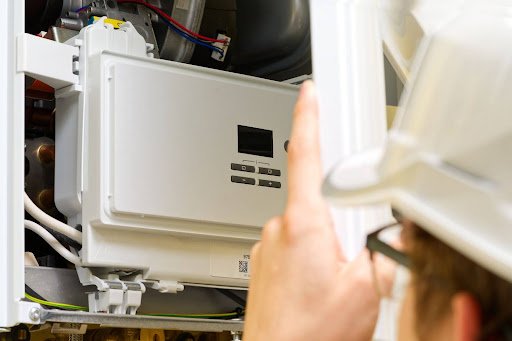
Not all servicing is created equal. A quick visual inspection is not enough. That’s why GEGA supports transparent standards and public awareness around what a proper boiler service should involve.
Here’s a breakdown of what a typical annual gas boiler service should cover:
Visual Inspection
The engineer checks the installation, flue positioning, pipework, ventilation, and overall condition of the appliance.
Safety Checks
They test for leaks, including carbon monoxide, and ensure key components are functioning correctly.
Cleaning and Maintenance
The burner, heat exchanger, and other internal parts are cleaned to maintain safe operation and efficiency.
Flue Gas Analysis
Using a calibrated analyser, the engineer checks emissions to ensure safe combustion and proper flue operation.
Pressure and Controls
They test system pressure, flow settings, and thermostat functions — and ensure safety controls are working.
Service Record
A full report is written up, with any defects noted. For rented properties, this may include a landlord safety certificate.
A service typically takes around 30–60 minutes. If it’s done in under 10 minutes without testing or cleaning, it’s likely not thorough.
Tip: A well-serviced boiler will often sound quieter, run smoother, and recover more quickly after heating interruptions — all signs of improved system health.
Who Should Do the Job?
Only a Gas Safe Registered engineer is legally allowed to carry out work on gas appliances in the UK. You can check if your engineer is registered here: Gas Safe Register
Always ask to see their Gas Safe ID card. It’s not rude — it’s responsible.
Look for:
- Their name and licence number
- Valid expiry date
- The types of gas appliances they are certified to work on (e.g. boilers)
GEGA strongly advises against using unregistered engineers.
Illegal gas work is dangerous, and often invisible — until it’s too late.
Why Annual Means Annual
Some homeowners think, “I had it done last year — it’s probably fine.”
But gas appliances are complex systems that can develop faults slowly.
Waiting two or three years between services increases the risk of:
- Hidden CO leaks
- Blocked or corroded components
- Worn seals or faulty controls
- Sudden breakdowns in winter
That’s why GEGA — and most manufacturers, insurers and safety bodies — recommend a 12-month cycle.
Make it a yearly habit.
One hour now could prevent a major issue later.
What to Expect on the Day
If it’s your first time booking a service, here’s what to expect:
- Clear identification: The engineer should show their Gas Safe ID and explain the service process.
- Access required: Make sure they can get to the boiler, any flue exits, and your controls.
- No upselling: A good engineer won’t push products. They’ll focus on safety, efficiency, and compliance.
- Paperwork: Ask for a full service report. Keep it with your records — especially if you’re a landlord.
If you feel unsure or rushed, trust your instincts.
A quality engineer will welcome questions.
Signs You Might Be Overdue
Even if you’ve not kept track of your last service, your home may be telling you it’s time. Look out for:
- Unusual boiler noises (whistling, banging, humming)
- Pilot light going out regularly
- Heating taking longer than usual
- Higher-than-normal gas bills
- Faint smell of gas (in which case, act immediately)
Servicing is preventative maintenance — don’t wait for something to go wrong.
What GEGA Is Doing to Help
At GEGA, we’re on a mission to:
- Improve public awareness around gas safety
- Support engineers with clear servicing standards
- Promote qualified professionals
- Encourage regular safety checks as a cultural norm
We’re also working on a new installer directory, improved servicing templates, and easy-to-understand homeowner checklists — all designed to make gas safety simpler for everyone.
Final Word
Your boiler might be out of sight — but it should never be out of mind.
Annual servicing isn’t a chore. It’s part of keeping your home safe, efficient, and future-ready.
If you’re unsure where to begin, contact us today or speak to a GEGA-approved installer near you.